
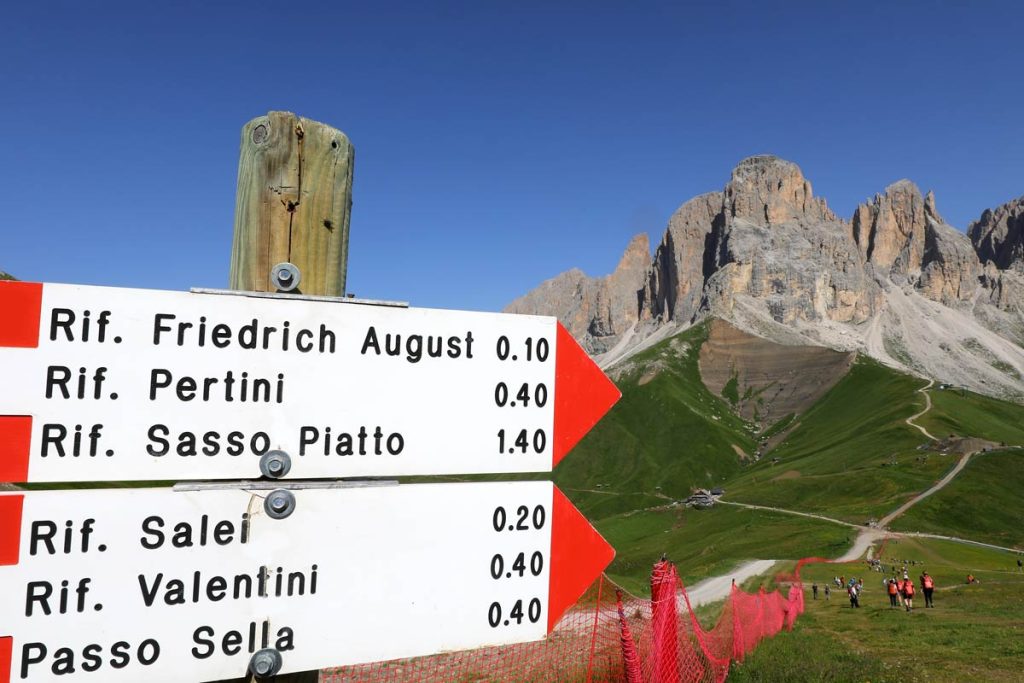
Every summer, hundreds of thousands of mountain enthusiasts head to the Alps in search of solitude, ridgelines, glaciers and summit views. To facilitate their experience, a network of national climbing and mountaineering federations, all members of the International Climbing and Mountaineering Federation (UIAA), are responsible for the running of the huts and maintenance of the trails.
For anyone heading to France, Italy or Switzerland this season, each country’s alpine association offers its own route maps, hut booking systems and planning tools, and for UIAA members shared reciprocity agreement. Courtesy of a reciprocity agreement, members of UIAA member associations are entitled to use about 1,200 mountain huts offering accommodation for up to 70,000 people in the entire alpine region – from Slovenia to Spain. Full details here.
EUMA: Database for huts and trails
EUMA, European Mountaineers, the umbrella organisation for European mountaineering associations, offers an extensive database listing thousands of huts, trails and rock climbing areas across the continent. It can be viewed here.
Switzerland: the SAC Route Portal and Reality Check tool
The Swiss Alpine Club (SAC) runs a comprehensive Huts and Tours hub, anchored by the SAC Route Portal, which lets climbers search more than 150 SAC-managed huts and thousands of documented tours by region, difficulty and season. The club also runs a “Hut Reality Check” campaign – organised jointly with the German, Austrian and South Tyrolean alpine clubs – which candidly explains that a hut guest uses roughly 40 litres of water a day on average, which is why composting toilets and simple, low-water cooking are the norm rather than the exception. The same resources explains that an overnight stay with half board typically costs between 70 and 100 Swiss francs, reflecting the cost of transporting supplies and running a hut at altitude. It’s also a useful reminder on booking etiquette: around 40 percent of hut reservations end up being cancelled, and roughly 1 percent of guests never show up at all without notice – both of which make life very difficult for hut wardens who have already ordered and hauled up the food. For route safety, SAC’s Tour Planning section brings together fact sheets, grading systems and avalanche information, walking climbers through how to plan an outing “from A to Z.”
France: FFCAM’s refuge network
For France, the Fédération française des clubs alpins et de montagne (FFCAM) maintains and promotes its own extensive hut network. Its refuges and chalets portal carries full details on the federation’s 120 mountain refuges and chalets across France, plus five more in Morocco, run with the help of volunteers from 40 affiliated alpine clubs and federal staff. The site links directly to a searchable refuge finder and an online booking tool, so guests can locate and reserve accommodation for routes throughout the French Alps, Pyrenees and beyond, alongside guidance on off-season “self-service” hut use and pricing.
Italy: CAI’s rifugi and trail network
The Club Alpino Italiano (CAI) manages Italy’s equivalent system through its Rifugi e bivacchi section, which links out to CAI’s dedicated hut booking platform (Prenota Rifugi) and its comprehensive rifugi database, alongside the Sentiero Italia CAI, Italy’s long-distance national trail network, and its accompanying interactive trail map. Together these resources let climbers plan multi-day itineraries across the Dolomites, the Western Alps and beyond while booking beds directly with hut wardens.
Germany: DAV’s huts, ways and sustainability focus
The Deutscher Alpenverein / German Alpine Club (DAV), the world’s largest national mountaineering association, publishes similar information through its Hütten & Wege pages. The DAV reports that it maintains 325 publicly accessible huts, more than 20,000 overnight sleeping places and 30,000 kilometres of waymarked paths across the Alps and central European mountain ranges, investing over ten million euros annually in hut infrastructure and around one million euros in trail maintenance. A detailed downloadable brochure, Alpenvereinshütten & Alpenvereinswege, rounds out the picture with hut-by-hut detail for trip planning.
What ties all networks together is the UIAA’s hut reciprocity agreement. Member federations of the UIAA are currently entitled, courtesy of this agreement, to use over a thousand mountain huts across Europe, in addition to backcountry huts in North America through the Alpine Club of Canada’s network.
A few practical reminders
Before setting off, it’s worth reading up on tour planning fact sheets and current safety advice from your chosen national association, since alpine conditions are shifting: retreating glaciers, more frequent rockfall and less predictable snow cover are changing how — and when — some classic routes should be approached. Booking ahead, confirming or cancelling promptly, packing light but completely, and carrying cash for huts that can’t process cards are all small habits that keep the whole system running smoothly for everyone.
The UIAA’s video dedicated to climate change advice also offers timely tips and reminders to ensure your visit is a sustainable one.
Exploring the culture of huts
An episode of the UIAA podcast takes a deep dive into the mountain hut culture of the Alps. What makes a great hut? Why do huts exist? What impact is climate change having on hut operations and maintenance?
Part one features Ben Tibbetts, an IFMGA mountain guide and a photographer, artist and writer based in Chamonix, France. Ben has published a number of books dedicated to his passion for huts, notably ‘4000m peaks of the Alps guidebook’ and coming soon Volume 1 of Cabin Wild – West Mediterranean to Mont Blanc. Ben is joined by UIAA Management Board member and FFCAM (Fédération Française des clubs alpins et de montagne ) Board member Jean Miczka, a hut expert who has written a thesis dedicated to how mountain guides are adapting their activities due to climate change.
In part two, Marion Herren, a hut specialist working for the Swiss Alpine Club (SAC), provides an overview of the federation’s network of huts across the Alps, the current challenges faced in operating huts and what makes these locations so compelling.
Listen to the episode here: